Retail overstock inventory has become one of the most reliable sources of discounted goods for resellers looking to build profitable businesses. When retailers order more stock than they can sell or seasonal demand shifts unexpectedly, excess products are often liquidated at reduced prices. This creates opportunities for resellers to purchase quality merchandise at a fraction of its original retail value. How Retail Overstock Inventory Creates Profitable Resale Opportunities
Understanding how overstock inventory works, where to source it, and how to resell it effectively is key to building a successful resale business. This guide breaks down everything you need to know about turning retail overstock into profit.
1. What Is Retail Overstock Inventory?
Retail overstock inventory refers to products that retailers have purchased in excess of customer demand. Unlike damaged or returned goods, overstock items are typically new, unused, and in retail-ready condition.
Overstock can occur for several reasons:
• Overestimated seasonal demand
• End-of-season clearance cycles
• Packaging or branding updates
• Slow-moving product categories
• Store closures or warehouse consolidation
Retailers need to quickly free up warehouse space and recover capital, so they often sell excess stock through liquidation channels at significantly reduced prices. How Retail Overstock Inventory Creates Profitable Resale Opportunities
For resellers, this means access to brand-new products at wholesale or below-wholesale pricing.
2. Where Overstock Inventory Comes From
Overstock inventory comes from a wide range of retail sources. Understanding these sources helps resellers identify consistent supply opportunities.
Common sources include:
• Big-box retailers
• Department stores
• Online marketplaces
• Brand manufacturers
• Distribution centers
• Seasonal product suppliers
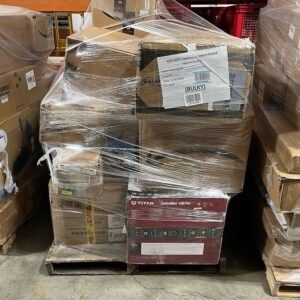
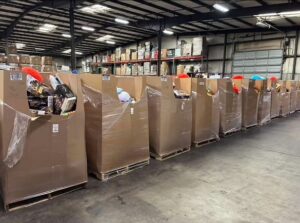
When large retailers like clothing chains or electronics stores experience slow sales, they bundle excess goods into liquidation lots or pallets. These are then sold through liquidation marketplaces or wholesale distributors.
Knowing where inventory originates can help resellers evaluate product quality and predict resale value more accurately.
3. Why Retail Overstock Is Valuable for Resellers
One of the biggest advantages of overstock inventory is its condition. Unlike customer returns or salvage goods, overstock items are usually brand new and ready for resale.
Key benefits include:
• Higher product quality
• Lower risk of defects
• Strong brand recognition
• Easier resale on major platforms
• Predictable demand patterns
Because products are often from well-known retail chains, buyers are more willing to purchase them at competitive prices. This improves turnover speed and profit potential.
For resellers, overstock inventory offers a balance between affordability and reliability.
4. How Resellers Source Overstock Inventory
Finding reliable sources of overstock inventory is essential for building a sustainable resale business. Many resellers begin by purchasing liquidation pallets or bulk lots from wholesale suppliers.
Common sourcing methods include:
• Liquidation marketplaces
• Wholesale distributors
• Retail store auctions
• Direct manufacturer deals
• Online pallet suppliers
When choosing a supplier, it is important to evaluate:
• Inventory transparency
• Product manifests
• Shipping costs
• Customer reviews
• Return policies
Reputable suppliers provide detailed manifests that list product categories, conditions, and estimated retail values. This helps resellers make informed purchasing decisions and avoid unnecessary risk.
5. Strategies for Reselling Overstock Inventory
Buying overstock inventory is only the first step. Success depends on how effectively you resell the products.
Popular resale strategies include:
• Online marketplaces (Amazon, eBay, Walmart Marketplace)
• Social media selling (Facebook Marketplace, Instagram Shops)
• Local resale (flea markets, garage sales, pop-up shops)
• Independent eCommerce stores
Each platform has different advantages. For example, electronics and branded goods often perform well on eBay, while bulk household items may sell faster locally.
Pricing strategy is also critical. Many resellers use a combination of:
• Market comparison pricing
• Competitive undercutting
• Bundle selling
• Seasonal pricing adjustments
Proper listing optimization, including high-quality photos and accurate descriptions, can significantly increase sales velocity.
6. Risks and How to Maximize Profitability
While retail overstock inventory offers strong profit potential, it is not without risks. Understanding these risks helps resellers make smarter decisions.
Common challenges include:
• Misjudging product demand
• Overpaying for inventory
• Hidden shipping or handling costs
• Slow-moving stock
• Platform selling fees
To maximize profitability:
• Start with small inventory purchases
• Analyze product demand before buying
• Track all expenses carefully
• Diversify resale channels
• Focus on fast-moving product categories
Experienced resellers also build relationships with reliable suppliers to gain access to better inventory deals over time.
Conclusion
Retail overstock inventory presents a powerful opportunity for resellers to access brand-new products at discounted prices and turn them into consistent profit streams. By understanding where overstock comes from, how to source it, and how to resell it effectively, beginners can build a strong foundation for a scalable business.
Success in this space depends on smart purchasing decisions, careful cost analysis, and effective resale strategies. With the right approach, retail overstock can become a reliable and long-term source of income for online and local resellers alike.