
Blog
What Is a Scammer Pallet?

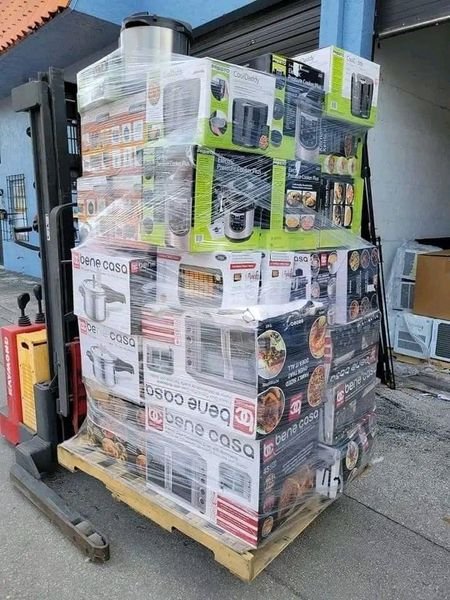
What Is a Scammer Pallet? Everything You Need to Know Before Buying Liquidation Pallets
The liquidation pallet business has exploded in recent years. From small online resellers to side hustlers looking for extra income, many people are turning to returned merchandise and wholesale pallets to make money. But alongside legitimate opportunities, a dangerous trend has emerged — the “scammer pallet.”
A scammer pallet refers to fake, misleading, or fraudulent liquidation pallet deals designed to trick buyers into paying for products they never receive or products that are far different from what was advertised. These scams often target beginners who are eager to start an online resale business and are unfamiliar with how the liquidation industry works.
Understanding how scammer pallets operate can help you avoid costly mistakes and protect your money. In this guide, we’ll break down what scammer pallets are, how they work, warning signs to watch for, and how to buy liquidation pallets safely.
Understanding the Liquidation Pallet Industry
Before discussing scams, it’s important to understand what a real liquidation pallet is.
Retailers frequently deal with returned items, overstock inventory, damaged packaging, and unsold merchandise. Instead of storing these goods indefinitely, companies sell them in bulk through liquidation auctions or wholesale distributors. These items are often stacked on pallets and sold to resellers at discounted prices.
Legitimate liquidation pallets may contain:
• Electronics
• Clothing
• Home goods
• Toys
• Tools
• Appliances
• Customer returns
Many entrepreneurs buy these pallets hoping to resell individual items for profit through online marketplaces or local stores.
Because liquidation pallets can potentially generate significant returns, scammers have entered the market pretending to offer high-value merchandise at unbelievably low prices.
What Exactly Is a Scammer Pallet?
A scammer pallet is any pallet deal designed to deceive buyers. The scam can happen in several ways, including fake listings, manipulated photos, counterfeit products, or nonexistent shipments.
Scammers typically advertise premium merchandise such as smartphones, gaming consoles, designer clothing, or branded electronics. The prices are intentionally low to attract quick buyers.
After payment is sent, one of several things usually happens:
• The pallet never arrives
• The buyer receives random junk items
• The shipment contains damaged or unusable products
• The seller disappears completely
• Fake tracking numbers are provided
In many cases, scammers use social media platforms, messaging apps, or newly created websites that look professional but lack legitimate business credentials.
These scams are becoming increasingly sophisticated, making it difficult for inexperienced buyers to tell the difference between genuine liquidation suppliers and fraudsters.
Common Signs of a Scammer Pallet Deal
Knowing the warning signs can save you from financial loss. Most scam pallet sellers display similar patterns and behaviors.
Prices That Seem Too Good to Be True
One of the biggest red flags is unrealistic pricing. If a seller claims to offer a pallet of brand-new high-end electronics worth thousands of dollars for a tiny fraction of the price, caution is necessary.
Legitimate liquidation companies still need to make money. Extremely cheap deals often indicate fraud.
No Verified Business Information
Scammers usually avoid transparency. Their websites may lack:
• Physical addresses
• Customer service phone numbers
• Business registration details
• Verified reviews
If you cannot verify the seller’s identity, it’s risky to proceed.
Pressure to Pay Quickly
Fraudsters often create urgency by saying things like:
• “Only one pallet left”
• “Limited-time warehouse clearance”
• “Offer expires today”
This pressure is designed to stop buyers from researching the company properly.
Requests for Unsafe Payment Methods
Many scam pallet sellers insist on payment through methods that are difficult to reverse, including:
• Cryptocurrency
• Wire transfers
• Cash apps
• Gift cards
Legitimate businesses usually offer secure payment gateways and buyer protection.
Stolen or Fake Photos
Scammers often steal pictures from legitimate liquidation websites. Reverse image searches can sometimes reveal whether product photos were copied from elsewhere online.
How Scammers Target Beginner Resellers
New resellers are often the primary victims of pallet scams because they are excited about starting a profitable side business.
Social media plays a major role in these scams. Platforms like Facebook, Instagram, TikTok, and WhatsApp are filled with ads showing huge profits from liquidation pallets. Some scammers even post fake videos of luxury items supposedly found inside mystery pallets.
These marketing tactics create unrealistic expectations. Beginners may believe they can easily turn a small investment into thousands of dollars overnight.
Scammers also exploit emotional triggers such as:
• Fear of missing out
• Financial desperation
• Desire for quick profits
• Trust in social proof
Fake testimonials and fabricated customer reviews are commonly used to build credibility.
Unfortunately, once payment is made, recovering the money can be extremely difficult.
How to Buy Liquidation Pallets Safely
While scams exist, legitimate liquidation businesses are also available. The key is learning how to protect yourself before making a purchase.
Research the Seller Thoroughly
Always investigate the company before buying. Look for:
• Verified customer reviews
• Years in business
• Transparent policies
• Contact information
• Better Business Bureau listings
Search online for complaints or scam reports related to the company.
Start Small
Avoid spending large amounts on your first purchase. Testing a supplier with a smaller order helps reduce risk while allowing you to evaluate product quality and reliability.
Use Secure Payment Methods
Credit cards and trusted payment processors often provide fraud protection. Avoid sending money through irreversible methods unless you completely trust the seller.
Request Detailed Manifest Information
Many legitimate liquidation pallets come with manifests listing the expected inventory. Be cautious of sellers who refuse to provide product details.
Verify Return and Refund Policies
Reliable companies typically have clear terms regarding damaged goods, missing shipments, or disputes.
Avoid Unrealistic Promises
No liquidation pallet guarantees massive profits. Legitimate suppliers are transparent about risks, including damaged items and unpredictable inventory.
Final Thoughts on Scammer Pallets
The liquidation pallet business can offer real opportunities for resellers, but it also attracts scammers looking to exploit inexperienced buyers. A scammer pallet is essentially a fraudulent or misleading pallet deal designed to steal money or deliver worthless products.
The best defense is education and careful research. If a deal looks unbelievably profitable with little risk involved, it’s worth taking a closer look before committing your money.
By recognizing red flags, verifying sellers, using secure payment methods, and avoiding emotional buying decisions, you can greatly reduce your chances of becoming a victim.
As the resale industry continues to grow, staying informed is more important than ever. Whether you are starting a side hustle or expanding an existing business, smart buying decisions will always be your strongest protection against scam pallet schemes.