
Blog
Walmart Liquidation Pallets

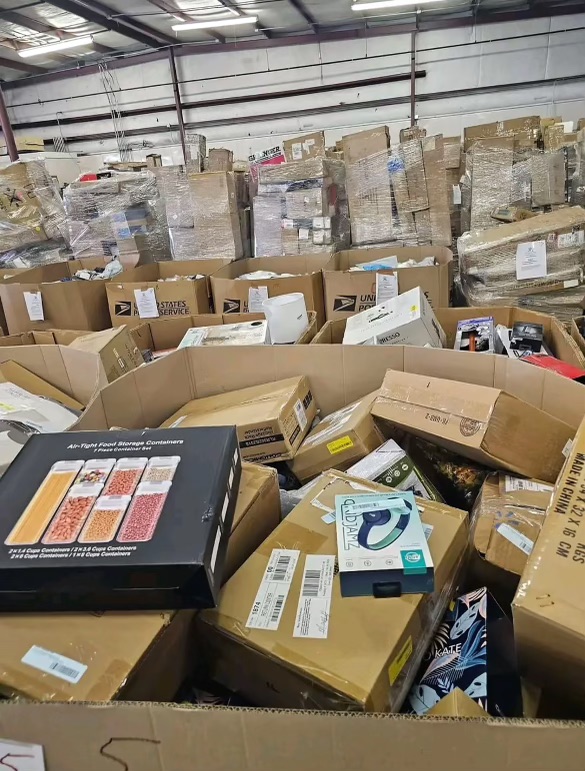
Walmart Liquidation Pallets: Complete Buyer Guide
Walmart is one of the largest retailers in the United States, handling millions of products every day across categories such as electronics, home goods, apparel, toys, and seasonal merchandise. Due to customer returns, overstock inventory, shelf pulls, and packaging changes, a significant volume of merchandise enters the liquidation market each year. For resellers and entrepreneurs, Walmart liquidation pallets provide an opportunity to acquire inventory at discounted prices and generate profits through online or local sales channels.
Whether you are a beginner looking to start a resale business or an experienced buyer searching for new inventory sources, understanding how Walmart liquidation pallets work is essential for making informed purchasing decisions.
What Are Walmart Liquidation Pallets?
Walmart liquidation pallets are bulk lots of merchandise that are sold after being removed from regular retail inventory. These pallets may include customer returns, excess inventory, discontinued products, shelf pulls, or seasonal items.
The contents of a pallet can vary widely depending on the category and condition of the merchandise. Some pallets may contain brand-new products, while others may include returned items that require inspection, testing, or repackaging before resale.
Because these pallets are sold at a fraction of their original retail value, they offer an attractive opportunity for businesses seeking affordable inventory with strong profit potential.
What Products Can You Find in Walmart Liquidation Pallets?
One of the biggest advantages of Walmart liquidation pallets is the variety of merchandise available. Buyers can choose from multiple categories based on their target market and resale strategy.
Common product categories include:
• Electronics and accessories
• Home and kitchen products
• Apparel and footwear
• Toys and games
• Health and beauty products
• Baby products
• Tools and hardware
• Sporting goods
• Seasonal merchandise
• General merchandise assortments
Many buyers prefer category-specific pallets because they allow for more accurate profit calculations and targeted marketing efforts. Others choose mixed merchandise pallets to diversify their inventory and reduce dependence on a single product category.
Benefits of Buying Walmart Liquidation Pallets
Purchasing Walmart liquidation pallets offers several advantages for resellers, small business owners, and online sellers.
First, buyers gain access to inventory at significantly reduced prices compared to traditional wholesale channels. This allows for higher profit margins when products are resold through marketplaces such as eBay, Facebook Marketplace, Amazon, flea markets, or independent e-commerce stores.
Second, liquidation pallets provide a consistent source of inventory. As Walmart continues to process returns and excess stock, new liquidation opportunities become available throughout the year.
Third, the variety of products within liquidation inventory allows sellers to identify high-performing categories and adapt their business strategies based on market demand.
For many entrepreneurs, liquidation inventory serves as a cost-effective way to start or expand a retail business without making large upfront investments in traditional wholesale inventory.
How to Evaluate a Walmart Liquidation Pallet Before Buying
Successful liquidation buying requires careful evaluation before making a purchase. Not all pallets offer the same value, and understanding key factors can help reduce risk.
When reviewing a pallet, consider the following:
• Product category and demand
• Estimated retail value
• Manifest availability
• Product condition
• Shipping costs
• Return policies
• Seller reputation
If a manifest is available, review the listed products and compare their current market value. This helps determine potential profit margins and identify products with strong resale demand.
Buyers should also account for transportation expenses, testing costs, and possible product losses when calculating expected returns.
Conducting thorough research before purchasing can significantly improve profitability and reduce unexpected surprises.
Best Practices for Reselling Walmart Liquidation Inventory
After receiving a pallet, proper inventory management is critical for maximizing profits. Begin by inspecting each item and separating products based on condition.
Products that are new or like-new can often be sold at premium prices, while damaged items may require repairs, bundling, or discounted pricing.
Many successful resellers use multiple sales channels to increase exposure and sales volume. Popular options include online marketplaces, social media platforms, local classifieds, retail stores, and auction platforms.
Maintaining accurate inventory records, professional product listings, and competitive pricing strategies can help build customer trust and generate repeat business.
Additionally, tracking sales performance across different product categories allows sellers to make smarter purchasing decisions in future liquidation purchases.
Is Buying Walmart Liquidation Pallets Worth It?
For many entrepreneurs and resellers, Walmart liquidation pallets can be a profitable inventory source when approached strategically. The ability to purchase merchandise below retail prices creates opportunities for attractive profit margins and business growth.
However, success depends on careful sourcing, realistic expectations, and proper inventory evaluation. Buyers who research product demand, understand pallet conditions, and develop effective resale strategies are often better positioned to achieve consistent results.
Whether you are launching a new resale business or expanding an existing operation, Walmart liquidation pallets offer access to diverse inventory and the potential to build a scalable and profitable business model. By making informed purchasing decisions and focusing on products with proven market demand, resellers can maximize their return on investment and create long-term opportunities in the growing liquidation industry.